
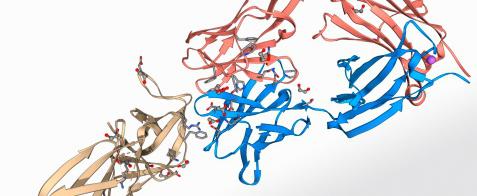
Obesity causes over one in ten deaths in some European countries, according to the World Health Organization, as it significantly increases sufferers’ chances of diabetes, heart diseases and hypertension. Unlike other global health threats, its primary cause lies in our lifestyle – modern technology means people exercise less and fatty foods are in abundant supply.Finding a pill to control appetite is a challenging task. Physiologists are still untangling the mesh of neurons and hormones that regulate our appetite. Now researchers are using genetics to home in on the underlying mechanisms, and it’s leading to powerful new drugs that could help people bring their eating under control.‘What makes you fat is how much you eat, we don’t dispute that. But genetics is revealing why you eat,’ said Dr Giles Yeo, the principal investigator of EurOCHIP, an EU-funded consortium which has been unravelling the complexities of gut-to-brain communication. ‘This vital information is leading to a spectrum of new treatment possibilities.’The project works out which genetic anomalies are common to obese people, and then tracks backwards to find out what the impact of these anomalies are on the body.Get the messageThe technique has led them to leptin, a hormone that tells the brain when the stomach is full. Many obese people have developed a resistance to leptin, making it difficult for the message to get through.“‘Genetics is revealing why you eat.’Dr Giles Yeo, the principal investigator of EurOCHIPThe problem lies in the way leptin passes through the barrier between the bloodstream and the brain. ‘To cross this interface, leptin undergoes a startling series of reactions,’ said Dr Julie Dam at the Institut Cochin in Paris, a partner of the EurOCHIP consortium.Biochemical imbalances in obese people can result in their bodies releasing too few of the chemicals that allow leptin to pass into the brain. Adding some of these chemicals into the bloodstream artificially could make the message from the stomach clearer, helping people eat less.Genetics is also being used to highlight why some people are more likely to become obese than others. Projects such as betaJUDO, funded by the EU, used genetic screening to work out that obese children are more likely to have genes that cause the over-secretion of insulin.Genetic predisposition‘There is a clear genetic predisposition towards obesity and insulin hypersecretion,’ said Professor Antje Körner, who works with the betaJUDO project as part of her research at the Center for Pediatric Research at Leipzig University in Germany.She collected DNA from over 2 000 carefully phenotyped obese children to track correlations between individual genes and insulin secretion. ‘Databanks of this kind make it possible to work backwards from the genome and identify the body mechanisms which lead to the disease,’ she said.The project then isolated insulin-producing cells from the pancreas and exposed them to different environments. They observed that fatty acids enhanced the secretion of insulin, whereas other chemical compounds reduced it.‘The right dose of these compounds could help regulate insulin production before these children grow obese and develop complications such as Type 2 diabetes,’ said Professor Peter Bergsten at Uppsala University in Sweden, the project coordinator.The project, now halfway through, will soon test the compounds in animals and plans to begin trials in people within the coming two years.A healthy diet and exercise remain the best way to tackle obesity, however these new techniques and the pharmaceutical arsenal they could provide will help balance the metabolism of vulnerable individuals, and relieve the close to 200 million obese adults in Europe from expensive, life-threatening medical interventions in the years to come.Treating obesity with a microchipDrugs are not the only approach being investigated to tackle obesity.The European Research Council has given a EUR 7 million grant to Imperial College London’s i2MOVE project, in which Professors Christofer Toumazou and Stephen Bloom have recorded signals of satiety electronically by implanting a microchip in nerve channels connecting the gut to the brain.By simulating these signals, they hope to inform the body more clearly of when it has eaten enough.
This article was originally published in Horizon, the EU Research and Innovation magazine.
Add to favorites:
Share:
Listing Description
Video
Documents
No documents available.
Ask KETMarket to make a contact
Connect with the Listing Owner!
💬 Please log in now to askKETMarket to make a contact. Not a member yet? Sign up for free and start connecting today!
Video
Related Funding and Finance Opportunities
Unlock Exclusive Funding Opportunities!
🔑 Get instant access to tailored funding opportunities that perfectly match your needs. This powerful feature is exclusively available to our professional members—helping you save time, stay ahead of the competition, and secure the right funding faster.
Upgrade to Professional now and never miss an important opportunity again! Already a professional member? Log in here to explore your matches.
Related Innovation Offers
Discover Tailored Innovation Offers!
🚀 Gain access to technology solutions that match your specific needs and interests—carefully selected to support your innovation goals. These offers are exclusively available to our professional members, helping you identify relevant technologies faster and start the right conversations with potential partners.
Upgrade to Professional now and explore your personalized technology matches today! Already a professional member? Log in here to view your tailored offers.
Related Knowledgeable Resources
Discover More with Professional: Related Knowledge Resources
🔒 You’re missing out on expert-curated knowledge specifically matched to this topic. As a Professional member, you gain exclusive access to in-depth articles, guides, and insights that help you make smarter decisions, faster.
Whether you’re preparing a funding proposal, researching a new market, or just need reliable information—our Professional knowledge matches save you hours of research and point you directly to what matters.
Upgrade to Professional now and instantly unlock relevant knowledge tailored to your needs! Already a member? Log in here to view your personalized content.